A story-driven virtual reality experience designed to raise awareness of Madeira's UNESCO-listed Laurissilva forest. Developed through research, prototyping, and user testing, the project uses immersive storytelling to foster empathy, highlight the forest's ecological importance, and encourage its conservation among visitors.
Context
This project was developed as the final project of a second-year master's program, drawing on the perspective of a local from Madeira Island. Rooted in the ecological and cultural significance of the UNESCO-listed Laurissilva forest, the project addresses the gap in visitor awareness regarding its importance.
Problem
The Laurissilva forest, recognized as a UNESCO World Heritage Site since 1999, is the largest surviving laurel forest in the world. Known for its rich biodiversity, it plays a vital role in maintaining Madeira Island's ecological balance. However, despite its significance and the large number of tourists drawn to its natural beauty, there remains a gap in effectively communicating its importance. Existing awareness programs, though supported by UNESCO, often lack deep and immersive engagement.
Research Question
What is the impact of an interactive and immersive virtual reality experience on fostering empathy among potential visitors to the Laurissilva Forest of Madeira Island?
Main Objective
Develop an experience that educates tourists about the biodiversity and ecological importance of the Laurissilva Forest while fostering a sense of personal connection and responsibility.
Secondary Objectives
- Evaluate the impact of the experience on fostering empathy in participants
- Utilize storytelling techniques to communicate the ecological and cultural significance of the Laurissilva Forest
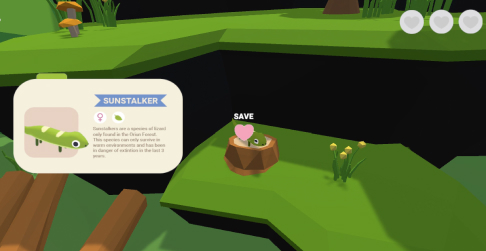
- Introduce gamified elements to increase user engagement and support the dissemination of knowledge through the experience.
Constraints
- Unity for VR Development: Started with limited Unity VR knowledge, requiring quick learning and adaptation.
- Fostering Emotional Connection: Creating empathy and a personal connection with a complex natural environment, rather than a single character, posed a significant creative challenge.
Exploratory Phase
The project began with an exploratory phase, grounded in a comprehensive literature review that involved collecting, selecting, analyzing, and synthesizing research across multiple disciplines. This phase focused on identifying key characteristics of the Laurissilva forest, exploring theories on emotional engagement through storytelling and interactive media, examining ways to foster empathy toward nature, and defining effective methods for communicating the importance of cultural heritage preservation.
In addition, a series of case studies on interactive projects with a shared focus on evoking empathy were analyzed in depth, offering valuable insights into the design of immersive narratives and strategies for eliciting meaningful emotional responses from users.

Key Insights:
- The narrative should incorporate a metaphorical element to strengthen the emotional connection between the visitor and the forest.
- The experience must be accessible and intuitive, relying on simple interactions and visual information to ensure strong usability.
- Immersive design and puzzle elements should reinforce ecological messages and deliver educational content in an engaging way.
Design Process
1. Project Definition
The development phase began with the creation of an immersive narrative. The initial concept imagined users exploring the forest and interacting with enchanted characters. While this version was partially implemented, it soon presented technical challenges. As a result, the narrative was revised to place the user in a boat traveling along a levada, which are narrow irrigation channels that carry water from the island's mountains to its forests and communities. The concept of flowing water became a symbolic element, representing both the transmission of knowledge and the essential connection between people and the forest.
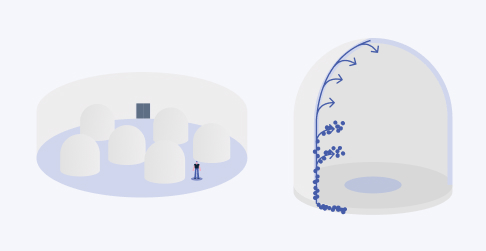
A storyboard was then created to shape the structure of the experience. The narrative begins with the player waking up in a drifting boat, floating down a levada, surrounded by the towering trees and tranquil scenery of the Laurissilva forest. Guided by a mysterious character, the player embarks on a journey through the forest, solving a series of environmental puzzles to restore the flow of water. Through these interactions, the user learns about the forest's biodiversity, its historical and cultural significance, and the modern threats it faces, such as invasive species and climate change.
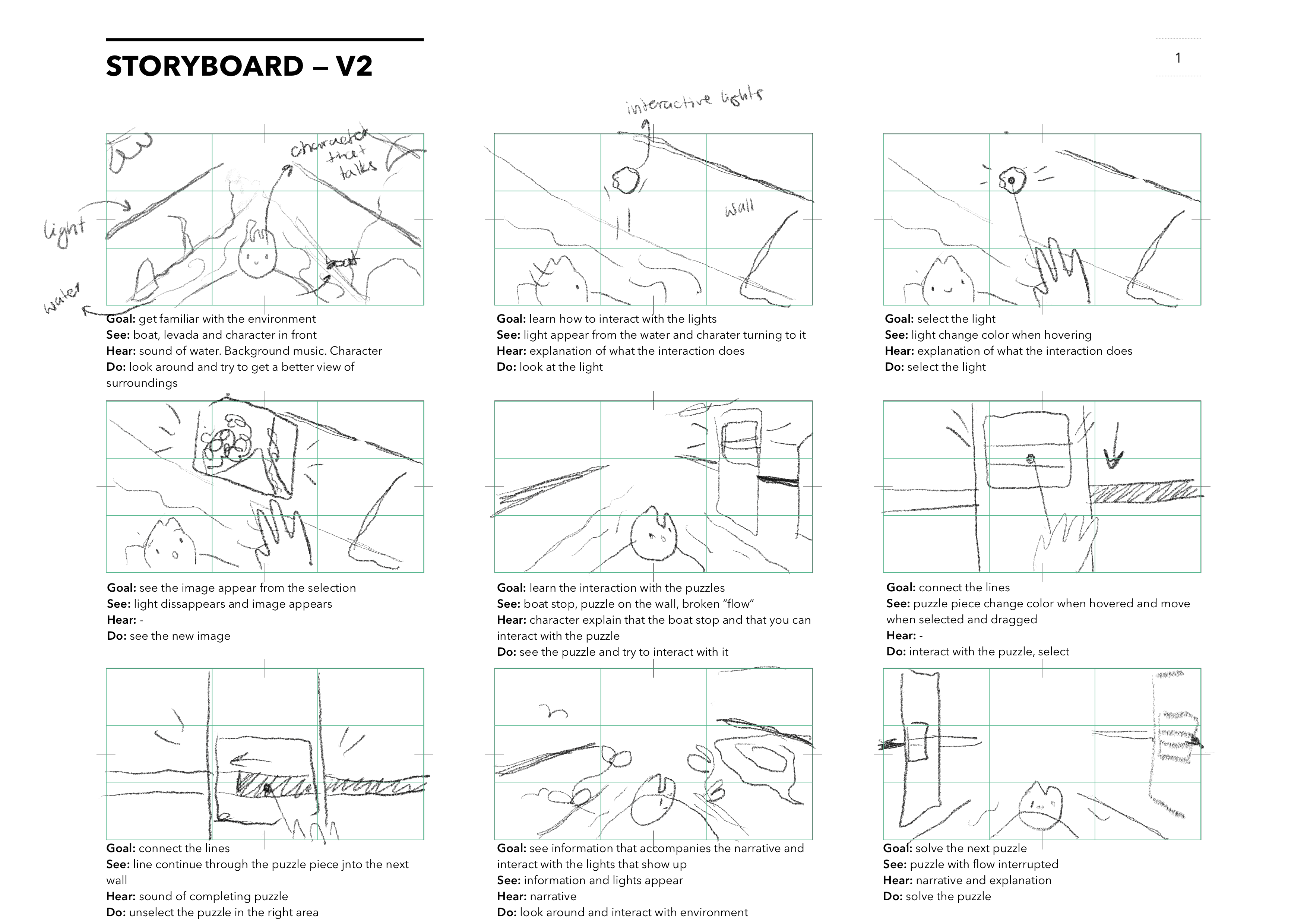
Storyboard and Defined Interactions
Key Outcomes:
- Refined Narrative Structure: A clear, immersive storyline was established, shifting from a character-focused forest exploration to a symbolic journey along a levada, enhancing both storytelling and technical feasibility.
- Storyboard Creation: A complete storyboard was developed, defining the narrative arc, key interactions, and visual flow of the experience.
2. Prototyping
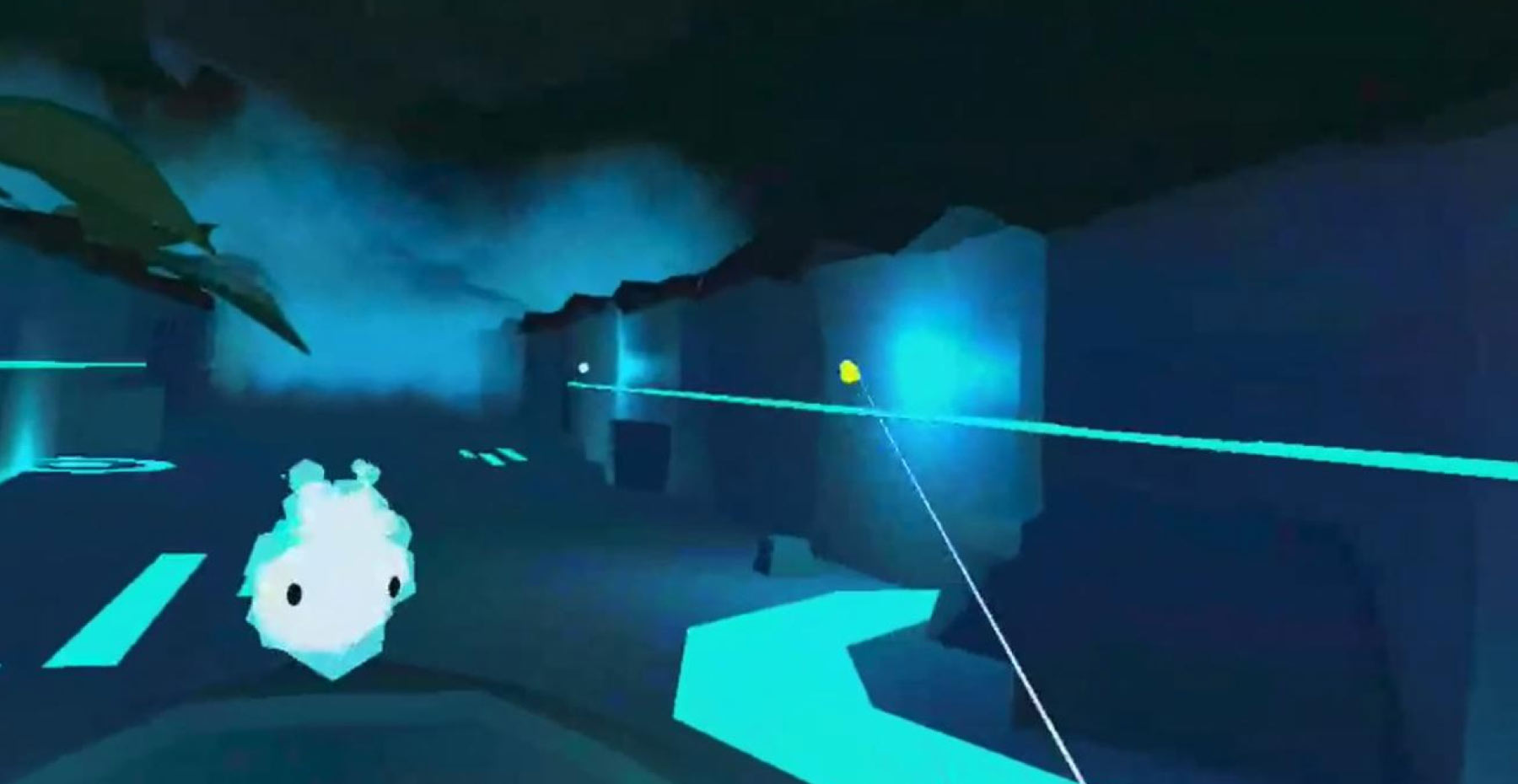
The prototype was built using the Unity platform and optimized for the Oculus Quest 2. Given the device's limitations, a stylized low-poly visual approach was chosen to ensure performance while maintaining a strong focus on narrative and immersion. The environment was designed with integrated sound, lighting, and puzzle elements to enhance the user experience and reinforce the ecological message.
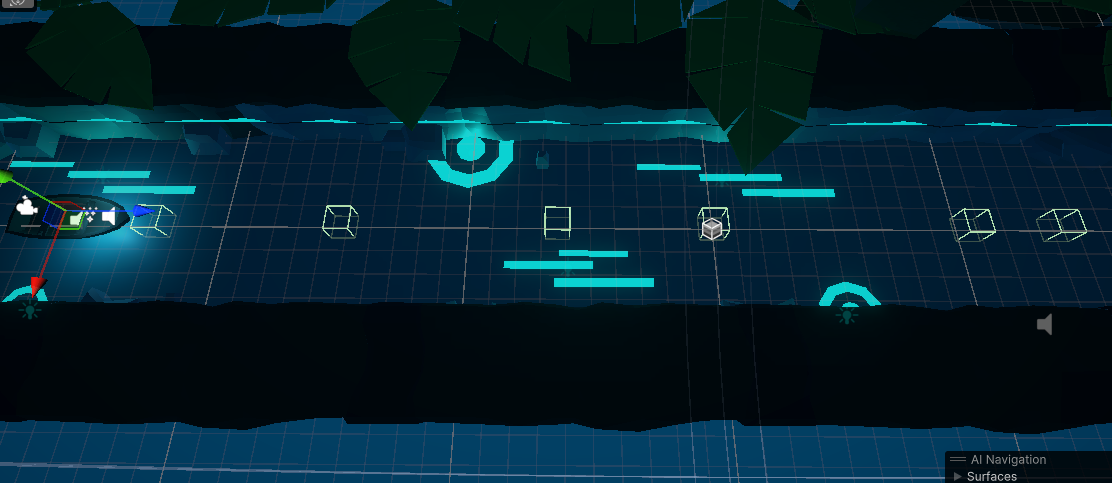
Unity environment screenshot
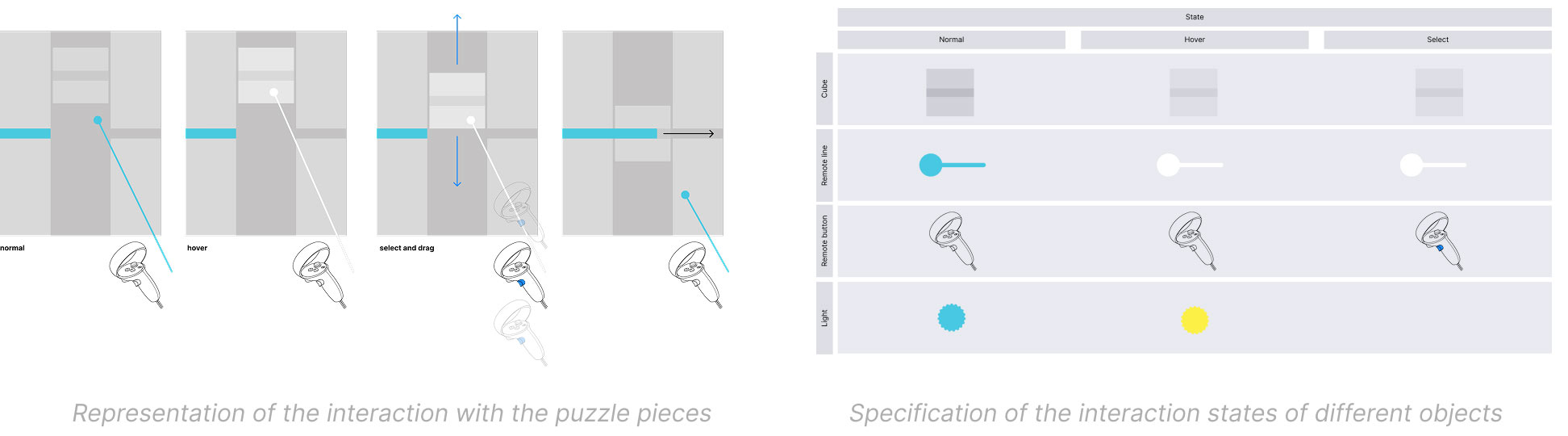
To support the narrative and enhance user engagement, the prototype included carefully designed functionalities, interactions, and narrative cues. To ensure simplicity and accessibility, all interactions were controlled using only the right controller, with the "grip" button used to select and drag objects.
The experience featured two types of interactive elements: puzzle pieces, which could slide along predefined paths, and glowing lights, activated with a simple press. A custom script was developed to manage puzzle interactions, incorporating movement constraints and progression triggers that guided the user through the experience.
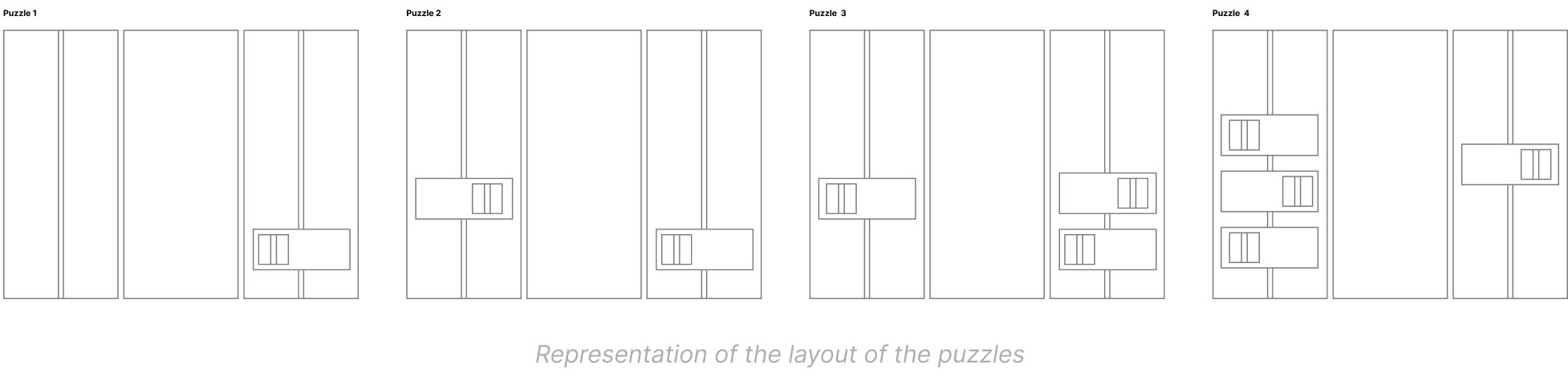
Users encounter four puzzles throughout the experience, each increasing in complexity. In the first puzzle, placing a piece in its correct position triggers a sound and an animation of a line progressing toward the next puzzle. Once solved, the boat moves forward to a new location.
As difficulty increases, animations and sounds become more intricate, and puzzle pieces become interdependent—requiring all correct placements before the boat advances and triggering effects only when specific pieces are positioned correctly.
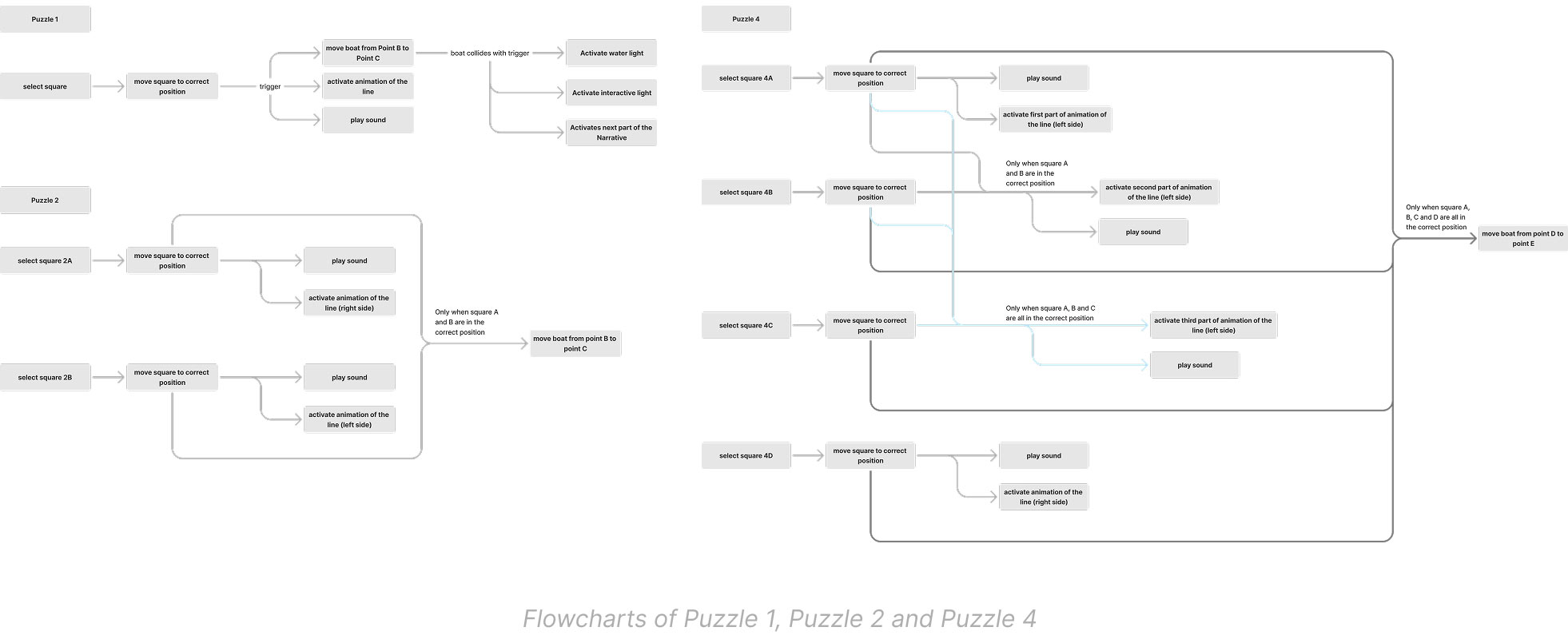
As the boat moves, triggers activate lights symbolizing flowing water and interactive lights near the wall. Selecting an interactive light reveals animated images that emerge from the wall, enriching the narrative and highlighting key moments in the experience.
At the journey's end, the user reaches a portal that, when touched by the character, transitions to the final scene. This design avoided fade-out effects and prevented abrupt collisions, ensuring a smoother and more comfortable conclusion to the narrative.
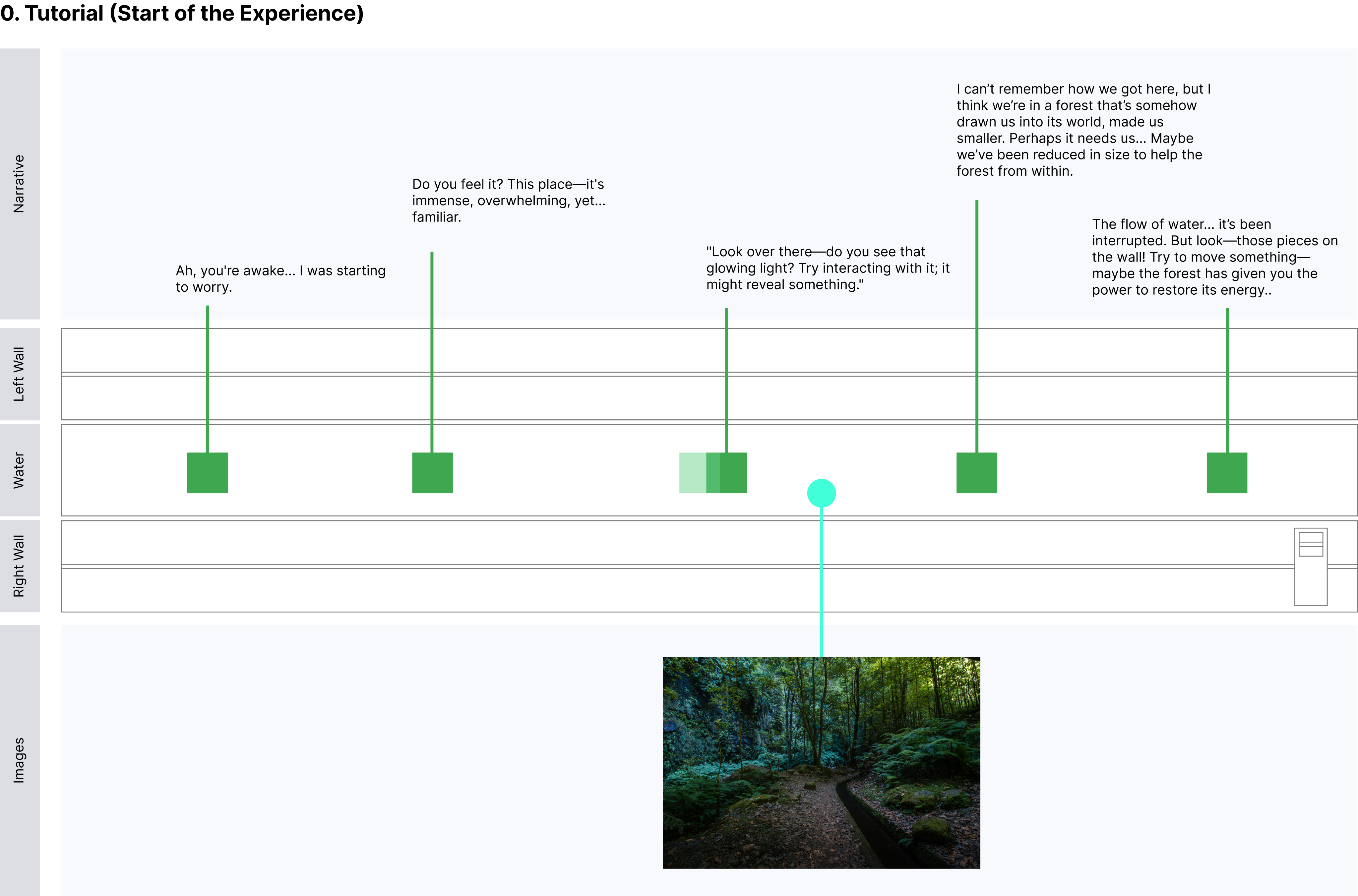
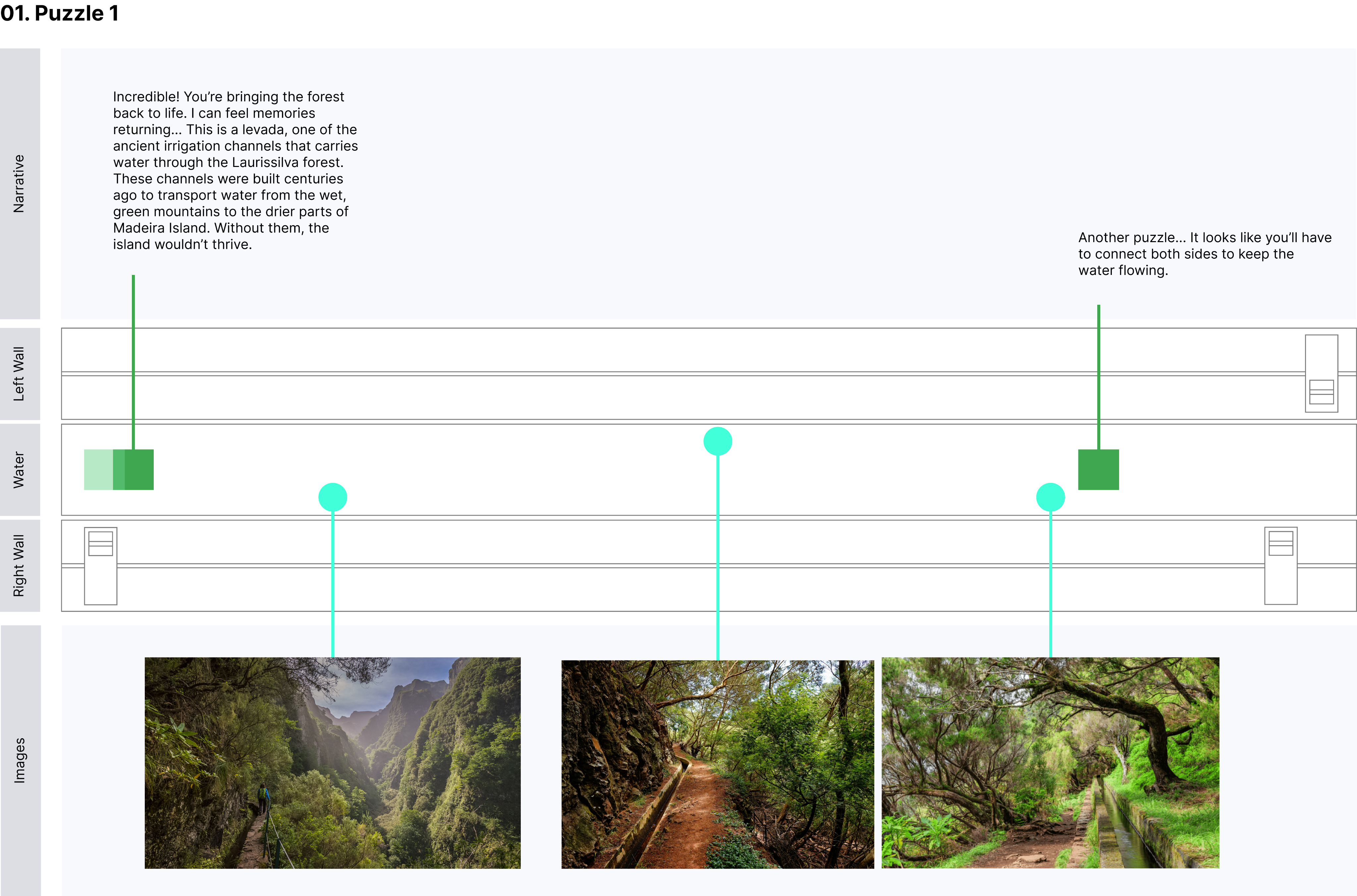
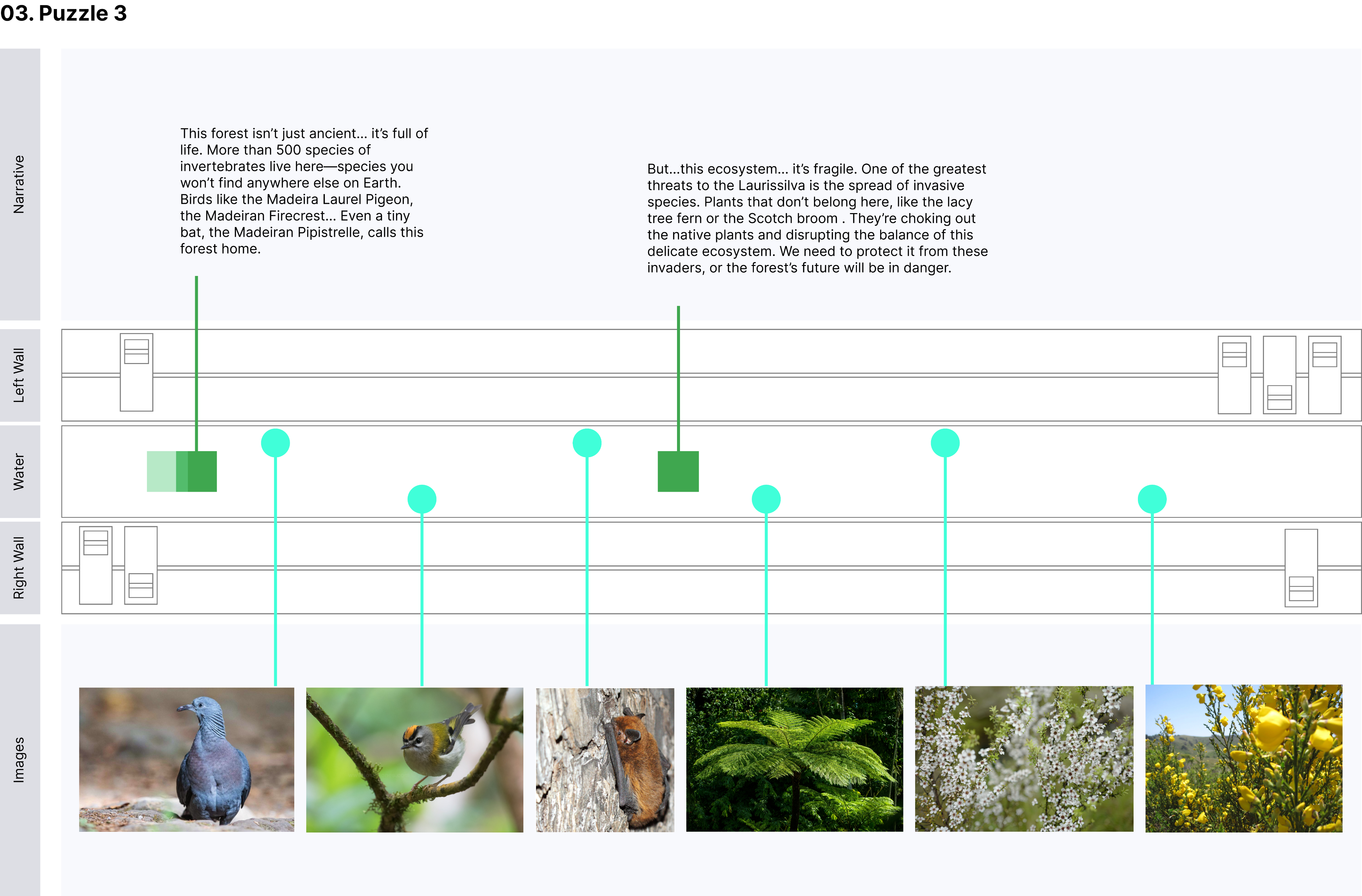
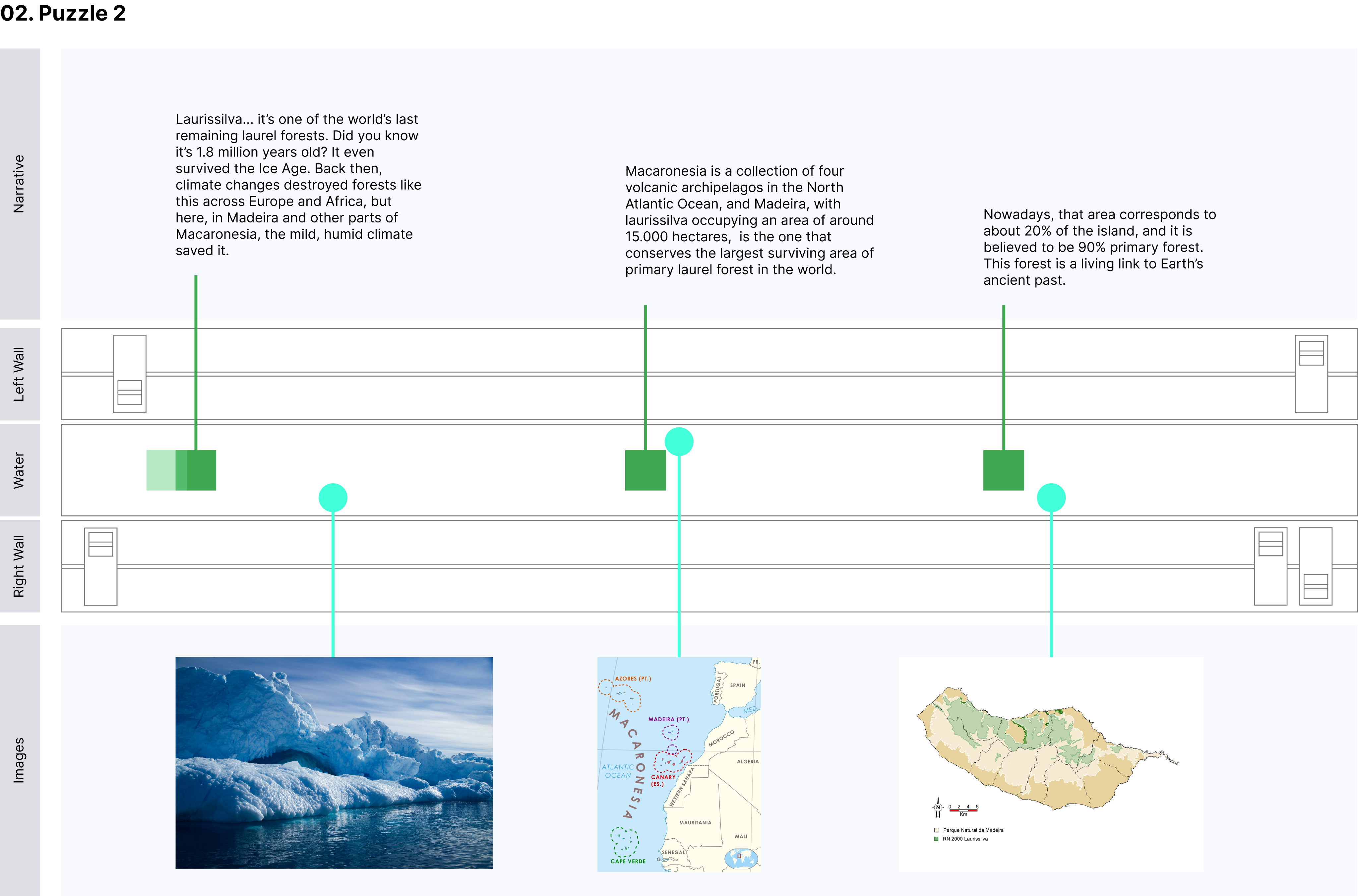
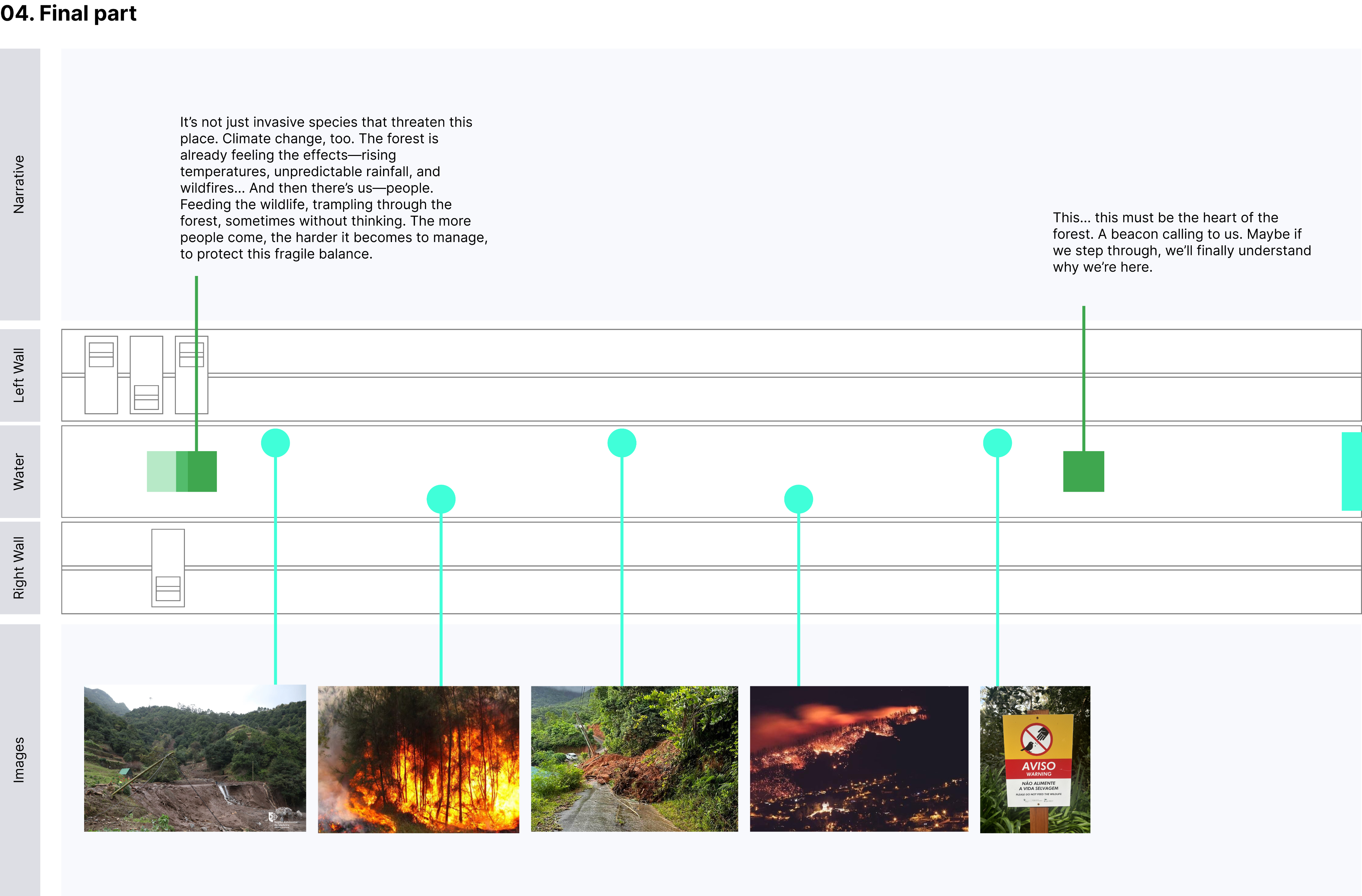

Interactive touchpoint map
Due to time constraints, the project primarily used pre-existing assets from the Unity Asset Store and Poly Pizza, with targeted edits in Blender to customize key elements like the levada walls, water, and portal. The environment included three main wall assets for puzzles, puzzle cubes, blue lines, fog effects via Unity's particle system, and additional environmental packs. Visual narrative elements were supported by royalty-free images from Unsplash, Pexels, and Pixabay, triggered by interactive lights.
Narration was generated using a natural-sounding text-to-speech voice. The experience consisted of two scenes: the first inside the levada, syncing boat movement with audio and interactive lights and the second in a simple cube with dynamic forest projections, featuring a floor for comfort and a returning character to maintain continuity.
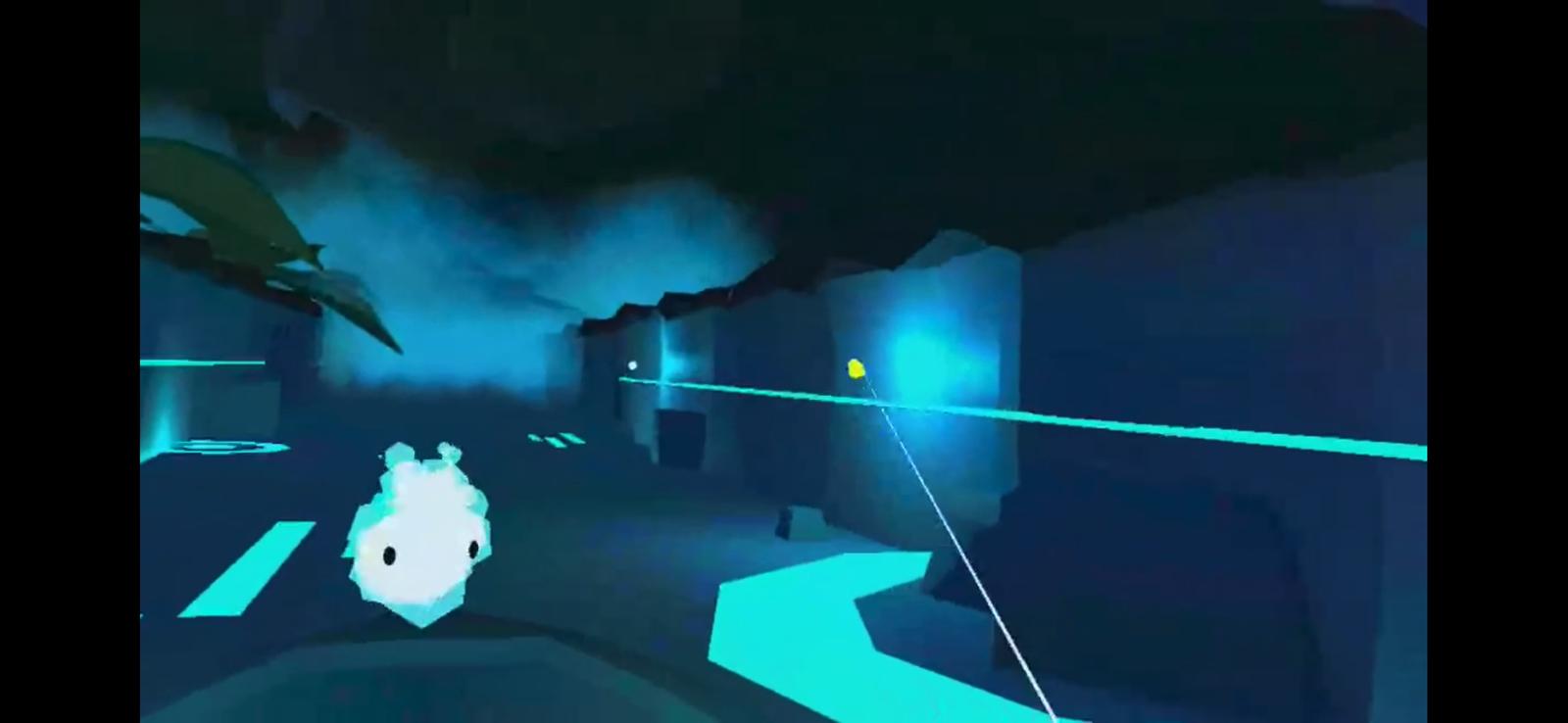
Gameplay video
Key Outcomes:
- High-Fidelity Prototype Development: Created a functional VR prototype version of the final experience.
3. Evaluation
The study involved 13 participants, 10 female and 3 male, all Portuguese. Except for one aged 17, participants were between 18 and 25 years old. Only one had visited Madeira, and three had prior knowledge of the Laurissilva forest.
The methodology included pre- and post-experience questionnaires, observations, and interviews. Tools used were the Connectedness to Nature Scale (CNS) to measure emotional connection with nature, the Virtual Reality System Usability Questionnaire (VRSUQ) for usability, the Virtual Embodiment Questionnaire for virtual body identification, and the Cognitive Absorption Scale (CA) for immersion. Participant behavior was observed, and interviews explored perception and memory of the experience.
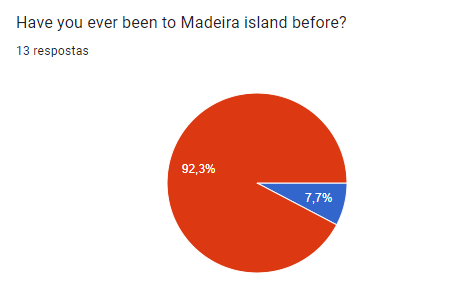
During observation minor issues included some participants selecting lights faster than intended, affecting pacing, and others missing the initial tutorial due to being distracted by the environment.
The CNS was applied before and after the experience to assess whether it influenced participants' empathy. As shown in the graph, although the initial questionnaire already indicated a high level of empathy towards nature, a slight increase was still observed in eleven of the thirteen statements. The graph reveals an average increase of 15% in emotional connection with nature after the experience.
With the VRSUQ the system received a usability score of 83.75, which is considered high, as scores above 80 indicate excellent results. This suggests that the developed experience has strong usability, with participants encountering few obstacles or difficulties when interacting within the virtual environment.
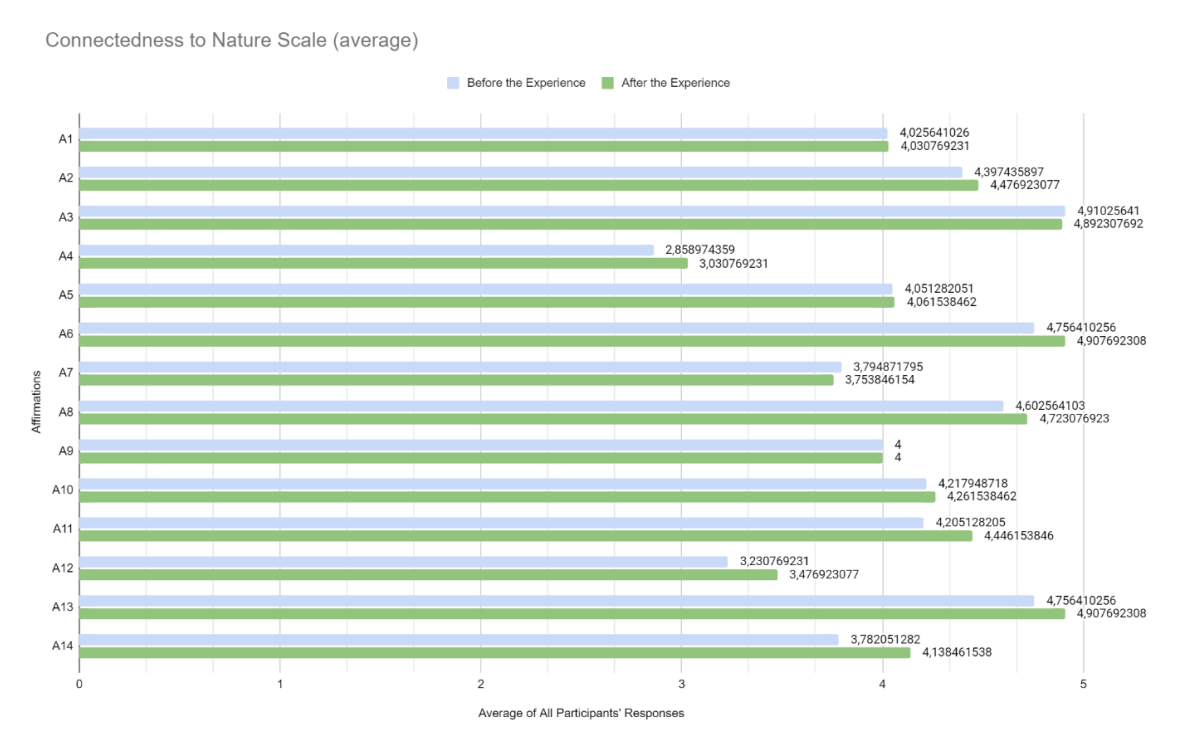
Connectedness to nature scale (CNS) results
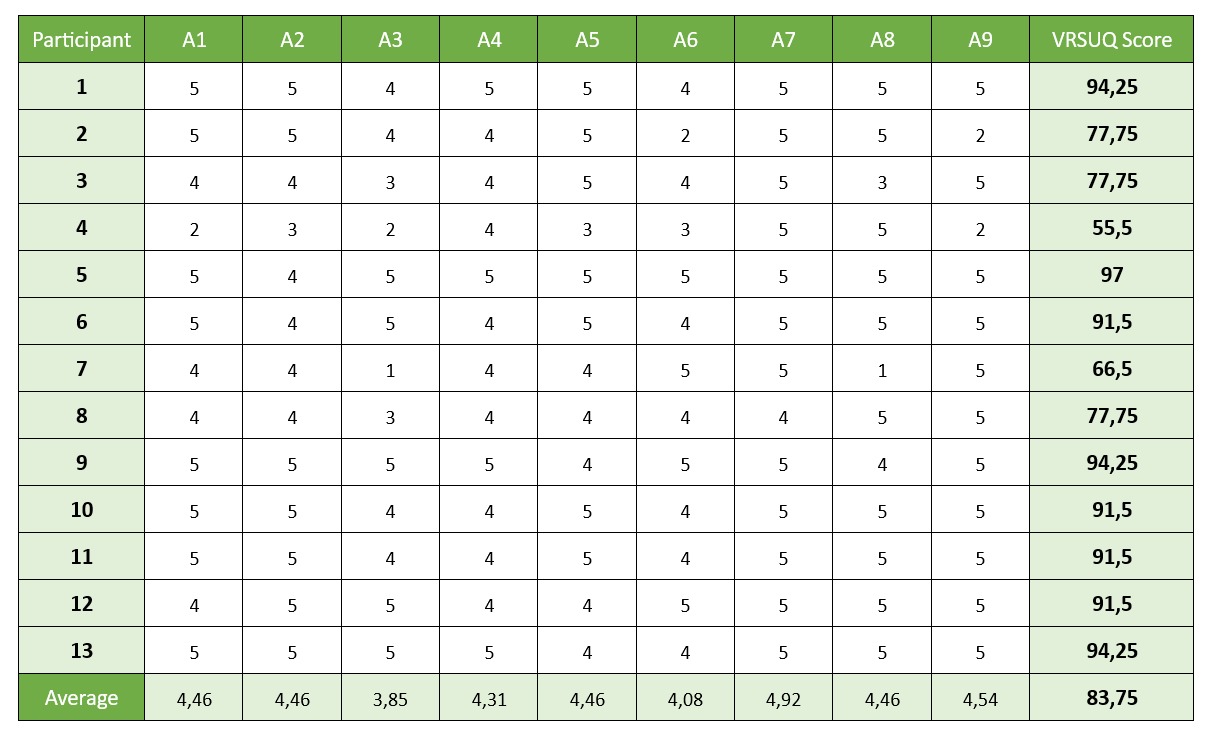
Virtual reality system usability questionnaire (VRSUQ) results
Regarding the VEQ results shown in the table, all scores are above the midpoint, indicating that the experience led users to feel a moderate level of identification with their virtual avatars. One aspect that could be improved is Emotional Engagement, as fostering empathy is one of the project's main objectives for promoting conservation.
The CA results revealed that most participants experienced high levels of immersion, indicating full concentration and a strong sense of "presence" in the virtual environment. It is also worth highlighting the fifth statement, which shows that the experience was able to spark users' curiosity about the forest and, consequently, may contribute to raising awareness of its risks and the importance of its preservation.
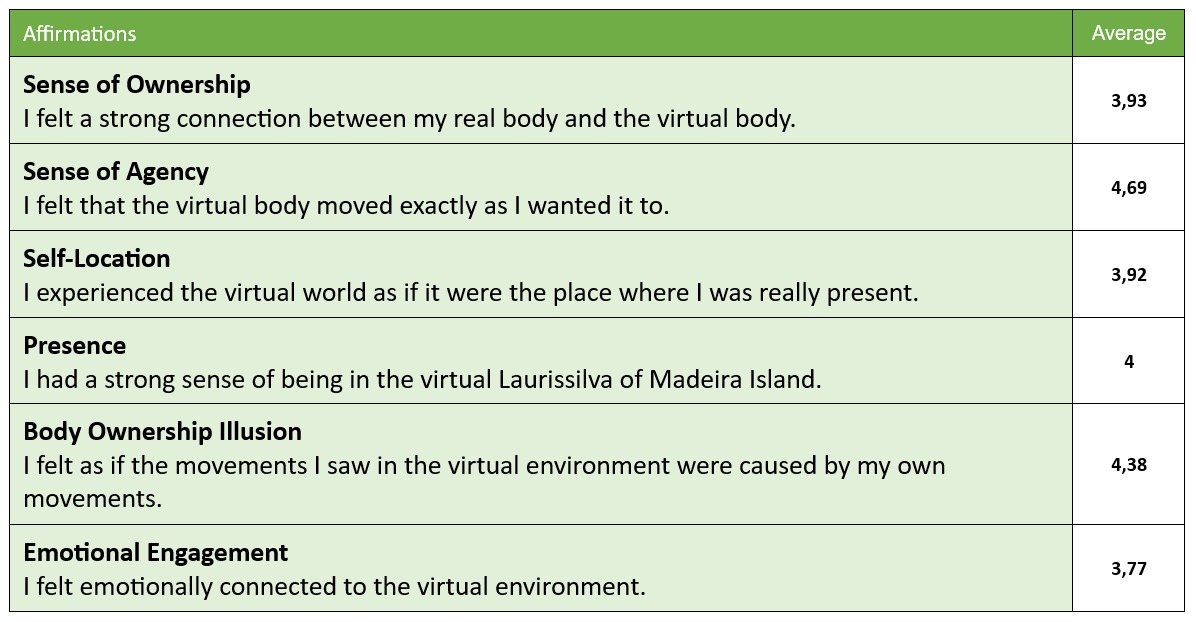
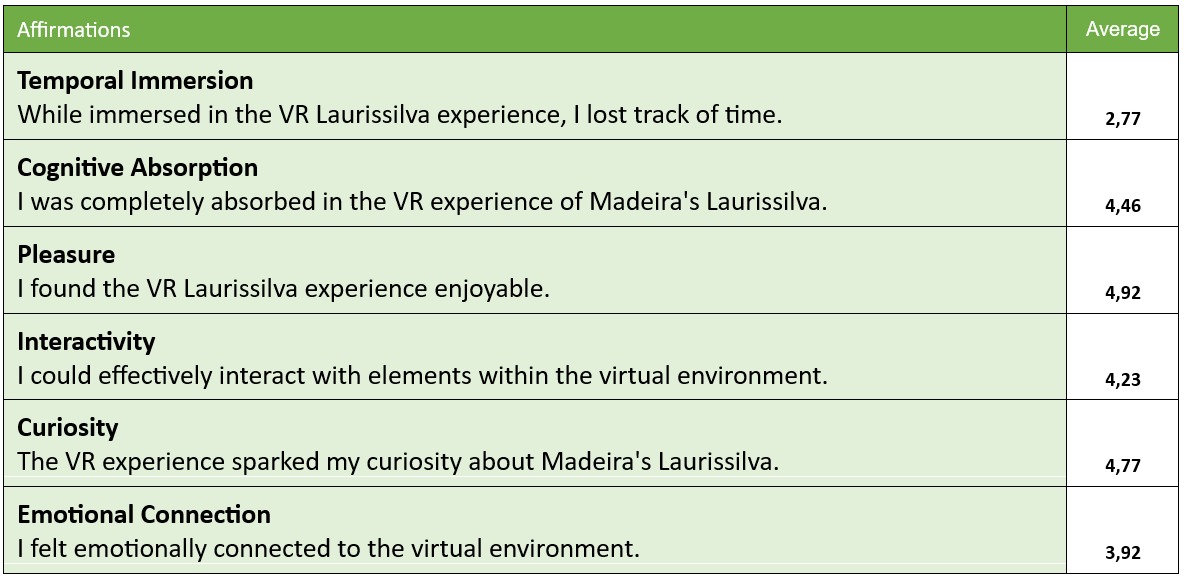
Virtual embodiment questionnaire (VEQ) results
Cognitive absorption scale (CA) results
For the interviews, a list of key narrative points was created to better understand what participants remembered. Most of these points were mentioned, indicating that the narrative was well-constructed and that the information was memorable. One important aspect to highlight is that few participants realized they were inside a levada, which could be improved in future iterations.
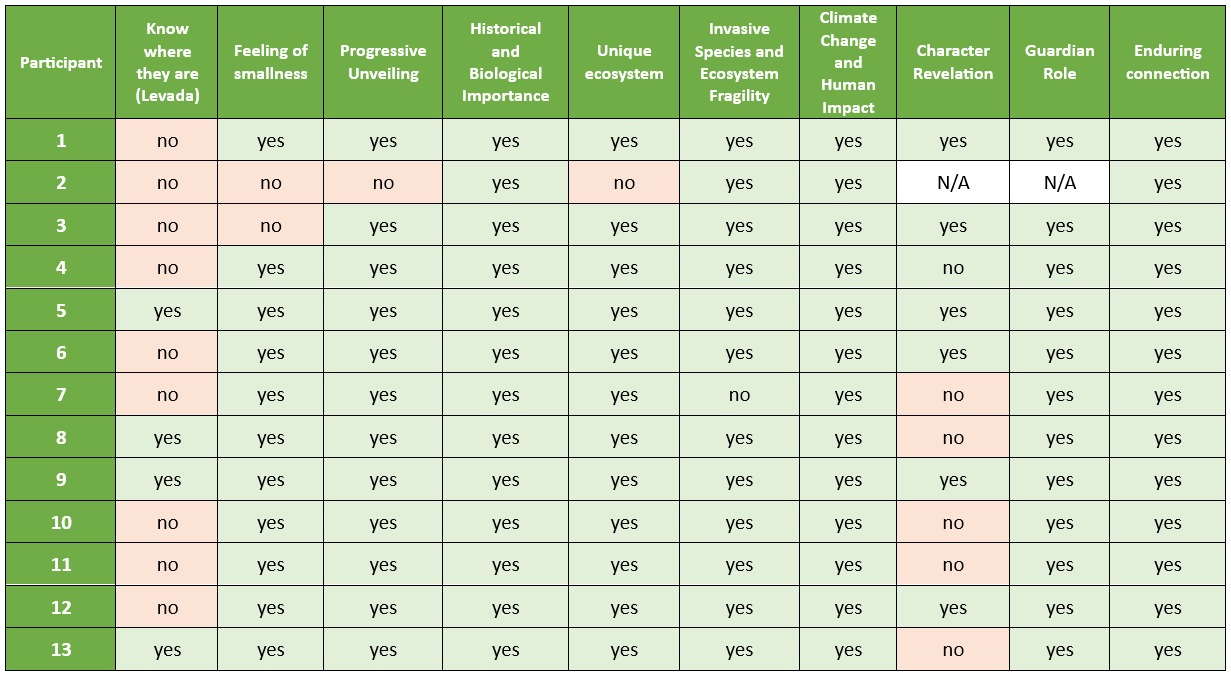
Interview results
Conclusion:
This project demonstrated that virtual reality is a valuable tool for raising awareness and fostering empathy toward nature. The results confirm that a well-designed experience can educate and inspire conscious behaviors. In the future, this concept could be expanded into a longer experience, which could have an even greater impact on empathy, with custom assets and a more complex narrative. Adapting it for different audiences, such as the island's residents, could also be an asset, as I believe that the combination of technology, narrative, and interaction design has the potential to transform the way we educate about Madeira's Laurissilva forest.
Personal Growth:
Through this project, I strengthened my ability to design immersive VR experiences that balance narrative, interaction, and technical constraints. I gained hands-on experience in usability testing, performance optimization, and interactive design, learning how to transform user feedback into meaningful improvements. This process reinforced the value of combining storytelling, technology, and education to create engaging and empathy-driven content.